




Find your home

Buying a new home off-plan

13/08/2026

There’s something quite exciting about choosing a new home before it’s even there. You might be looking at a plan rather than standing in the kitchen. Your future street might still be taking shape. And, if you’re buying particularly early, there may not even be a showhome to wander around yet.

For some buyers, that takes a little more imagination. But buying off-plan also has its advantages. You can often have a better choice of homes and plots, you get to follow your home as it comes to life, and depending on when you reserve, there may be more opportunity to make some of the choices that make it feel like yours.

The important thing is feeling comfortable with what you’re buying. So, if you’ve found a development you like but aren’t quite sure about buying before the home is built, here’s what we’d suggest.
One

What does buying off-plan actually mean?

Put simply, buying off-plan means reserving a new home before it has been fully built. How early that happens can vary quite a bit. Your home might already be under construction or you could be choosing it when there’s very little to see on site.


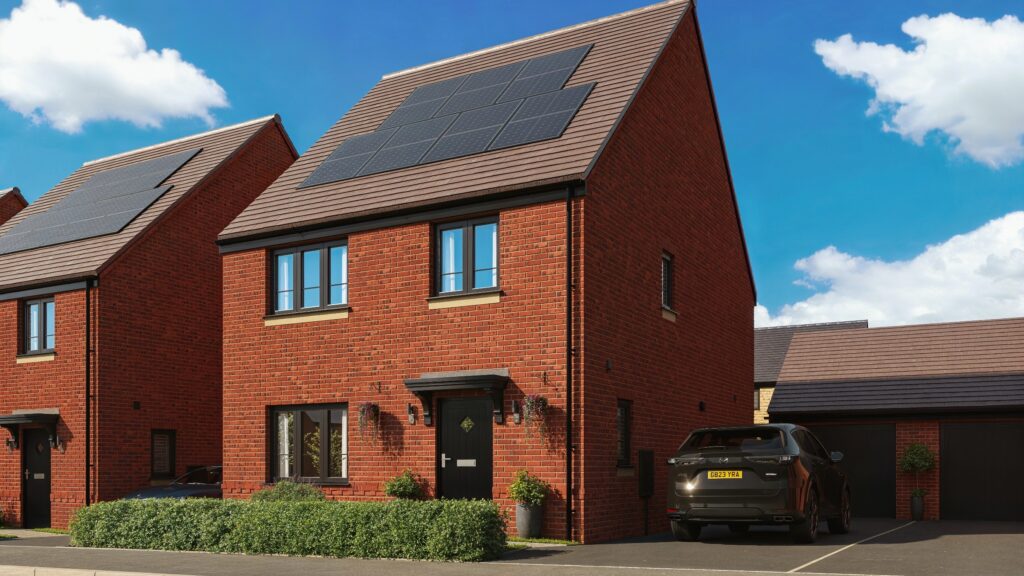
Instead of viewing the finished home, you’ll make your decision using things like floorplans, CGI imagery, development plans, specifications, drawings and other information about the home. That can feel different to buying a home you can physically walk around. And it should. You’re making a bigger decision with different information in front of you, so take your time with it. Our sales advisors can help you understand what you’re buying and won’t expect you to make a leap of faith until you’re absolutely ready.

Two

Understand the home beyond the floorplan

Floorplans are useful, but try not to look at one as a collection of measurements. Think about how you would actually live there.


Where would you put the sofa? Which bedroom would work as a home office? Where will the dog sleep? Is there enough storage for all the things you definitely promised yourself you’d get rid of before moving? The little, everyday questions are often the most useful ones.


If dimensions are available, compare them with rooms and furniture you already know. Measure your current sofa or dining table. Pace out the width of the kitchen at home. It can make the numbers on a plan feel much more real.

Three

Look beyond your front door

Choosing off-plan can sometimes mean having a wider choice of plots, so it’s worth spending some time looking at the development as a whole.


Where does the home sit within the street? What is in front of it and behind it? Which way does the garden face? Where will you park?


Think about what’s important to you. Someone who loves sitting outside after work might put garden orientation high on the list. Someone else might care more about being tucked away in a quieter part of the development.


Tell your sales advisor how you live and what matters to you. It makes it much easier for them to help you find the right home rather than simply the next available one.

Four

Get to know the specification

When there isn’t a finished home to inspect, the specification becomes particularly important. Find out what is included as standard and what, if anything, is an optional extra.


It’s also worth asking when choices need to be made. Depending on how far construction has progressed, you may be able to choose certain finishes or personalise parts of your home. This is the most exciting part of customising your own home and giving it to the personal touch.


The earlier you reserve, the more opportunity there can sometimes be, but this will depend on the build stage of your particular home. If having certain choices matters to you, mention it early.

Five

Ask about anything you can't see on the floorplan

Some of the most useful questions aren’t necessarily the glamorous ones.

  • Where are the radiators?
  • Where are the sockets?
  • Where are the TV points?
  • Where are streetlights positioned?
  • Are there any retaining walls, changes in level or other features around the plot?

You don’t need to arrive with a clipboard and full list of questions, we will talk you through everything in full but you should feel able to ask about the details that matter to you.

Six

Be realistic about timings

When you buy a home that is still being built, your moving date may not be fixed straight away. Building a home involves lots of different stages, trades, materials, inspections and, occasionally, the British weather deciding it would like a say in proceedings.


Your sales advisor should explain the anticipated timescales and keep you updated as the build progresses but it’s sensible to retain some flexibility until your completion date is confirmed. This is especially important if you’re selling another property, arranging removals, giving notice on rented accommodation or making other plans around your move.


Ask how updates will work and when you can expect to hear about progress. Knowing what happens next makes the waiting much easier.

Our advice

A little preparation goes a long way

If you’re thinking of buying your new home off-plan, it’s worth getting a few things moving early. Understanding your affordability and budget early will help guide the process but we can put you in touch with an independent mortgage advisor too. If you have a home to sell, start thinking about getting it valued and ready for the market. Even if that means starting to have a clear out or ticking off some DIY items that will increase the value of your home.


It’s also useful to think about when you’d ideally like to move. Homes are released at different stages of construction so the more we know about your position and timings, the easier it is for us to help you find one that fits.